Introduction
In the realm of healthcare, understanding various feeding approaches is critical for supplying optimal person treatment. One such method that has amassed interest over the last few years is Percutaneous Endoscopic Gastrostomy (PEG) feeding. This strategy enables direct access to the belly for nutritional support, making it an essential ability for health care professionals. In this detailed guide, we'll dive deep into PEG feeding, exploring its indications, treatments, training demands, and much more.
What is PEG Feeding?
To placed it just, PEG feeding refers to a method where a feeding tube is put directly right into the tummy through the stomach wall surface. The procedure is normally executed using endoscopic advice. It comes to be a crucial remedy for people that can not consume appropriately by mouth because of different medical conditions such as neurological disorders, head and neck cancers, or severe dysphagia.
Indications for PEG Feeding
Understanding when PEG feeding is needed can dramatically influence person results. Right here are some common indications:
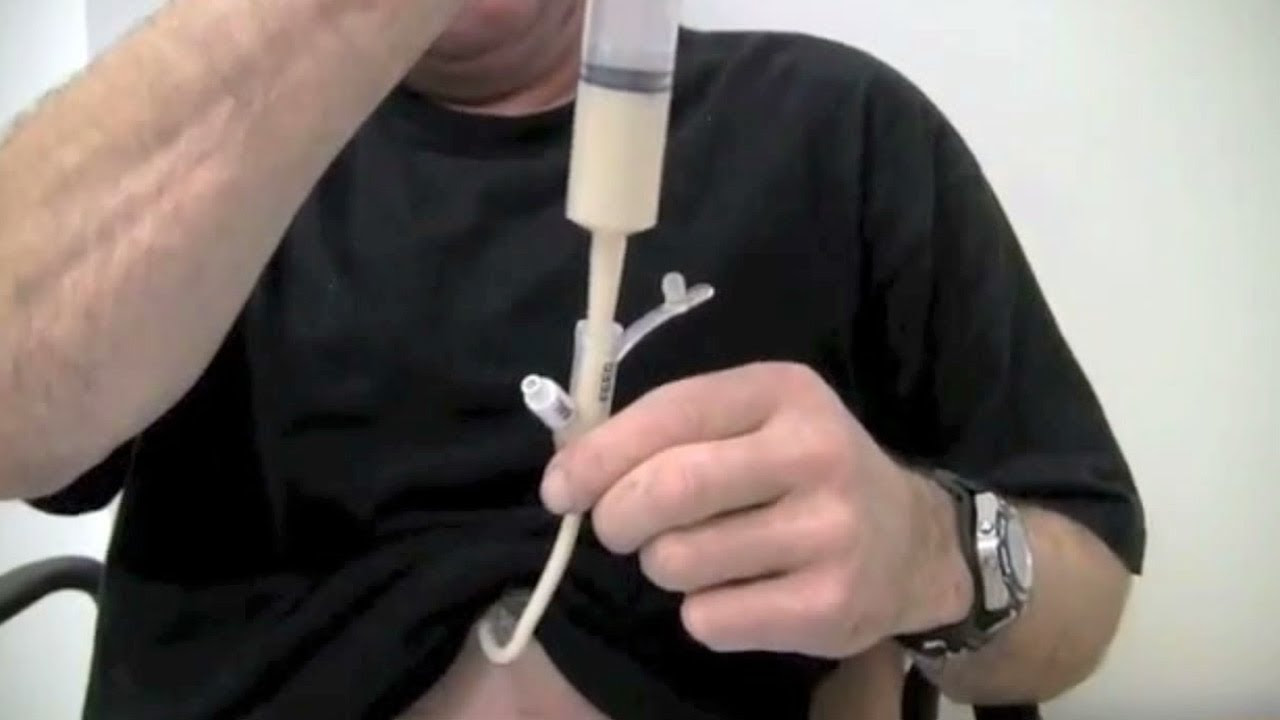
- Neurological Disorders: People with problems like stroke or ALS might have difficulty swallowing. Cancer: Those undertaking treatment for head and neck cancers frequently find dental consumption challenging. Chronic Health problems: Conditions such as numerous sclerosis or serious mental deterioration can require enteral nutrition. Critical Care: Clients in extensive care that are unable to meet their dietary requirements orally.
Benefits of PEG Feeding
The advantages of PEG feeding are manifold. Some of these include:
Nutritional Assistance: Makes certain ample caloric consumption when dental feeding isn't feasible. Reduced Desire Risk: Minimizes the risk of desire pneumonia related to dental consumption in high-risk patients. Improved Quality of Life: Assists in much better monitoring of chronic problems and improves total well-being.Complications Related to PEG Feeding
While PEG feeding can be life-saving, it's not without risks. Difficulties might include:
- Infection at the insertion site Tube dislodgement Gastric leakage Bowel perforation
Health specialists should be aware of these prospective complications and screen individuals closely.
The Procedure for PEG Placement
The process of positioning a PEG tube entails numerous actions:
Pre-procedure Assessment: A comprehensive professional examination to determine candidacy. Informed Consent: Discussing risks and benefits with the patient or their family. Sedation: Administering appropriate sedation to ensure person comfort throughout the procedure. Endoscopic Advice: Utilizing an endoscope to picture the stomach prior to inserting the tube. Tube Insertion: Putting the tube with a tiny incision in the stomach wall.Post-procedure Care
After placement, proper post-care is vital:
- Monitor for signs of infection Ensure proper tube positioning Educate caregivers on tube maintenance
Training Demands for Health care Professionals
To successfully handle PEG feeding, medical care professionals require specialized training. Training courses like " enteral feeding support course" and " PEG training courses" deal invaluable knowledge.
NDIS PEG Feeding Training
For those included with National Impairment Insurance Coverage Plan (NDIS) individuals calling for nutritional support, specialized programs focusing on NDIS PEG feeding training are available.
Enteral Feeding Assistance Course
This course covers a large variety of topics including:
- Nutritional analysis techniques Management strategies for enteral feeding complications Best practices in keeping health and infection control
PEG Training for Nurses
Nurses play a pivotal duty in carrying out enteral nourishment and making certain person safety and security. Training customized particularly for registered nurses concentrates on:
Clinical skills connected to tube placement Monitoring methods post-placement Patient education regarding dietary modificationsPEG Feeding Educating Australia
In Australia, different institutions offer extensive programs focused on PEG feeding training that adhere to nationwide standards.
Understanding Enteral Nourishment Support
Enteral nutrition support incorporates all forms of dietary distribution via gastrointestinal tracts, consisting of both dental supplements and tubes like PEGs.
Types of Enteral Formulas
There are numerous kinds of enteral solutions that deal with various clinical needs:
|Formula Kind|Sign|| -------------------------|---------------------------------------|| Conventional Formula|General usage|| High Healthy Protein Formula|Injury recovery or healing from surgical procedure|| Reduced Residue Solution|People with bowel obstruction|| Diabetic Solution|For diabetic patients|
Best Practices in Managing PEG Feeding
Managing a patient's nutritional demands via PEG needs adherence to details best techniques:
Regular surveillance of weight and hydration status. Adjusting dietary strategies based upon private requirements. Implementing detailed cleansing methods to stop infections.Patient Education and learning on Peg Feedings
Educating patients regarding their condition and exactly how to handle their feedings can lead to better compliance and outcomes:
Topics Include:
- Importance of routine feedings Recognizing signs of problems Proper methods for providing feeds
FAQs regarding Comprehending PEG Feeding
1. What ought to I do if my client's PEG tube ends up being dislodged?
If a PEG tube becomes dislodged, do not try re-insertion unless educated; instead, cover the site with sterilized gauze and seek instant medical assistance.
2. How usually need to I check the insertion site?
Regularly check the insertion site daily for any type of signs of soreness or discharge; report any kind of abnormalities promptly.

3. Can I administer drugs by means of a PEG tube?
Yes! Nevertheless, medicines should be crushed or liquidized correctly, ensuring they are compatible with enteral feeds.
4. How long can a person stay on enteral nutrition?
This differs depending on individual wellness needs; some may need long-term support while others might shift back to oral consumption sooner.
5. What are common issues connected with secure feedings?
Common difficulties consist of infections at the insertion website, stomach leakage, and desire pneumonia if feeds are not provided correctly.
6. Is specialized training required to take care of fix feedings?
Yes! Specialized training programs like enteral feeding support courses equip healthcare workers with required skills and knowledge.

Conclusion
Understanding how to effectively use PEG feeding can greatly influence patient care in health care settings throughout Australia and past-- improving quality of life while ensuring ample nutritional support through progressed methodologies like enteral nutrition By participating in dedicated training programs such as ndis peg feeding training or enteral feeding assistance courses, medical care professionals can remain upgraded on ideal methods bordering PEG feed training, ultimately leading to boosted results for at risk peg feeding education populaces who depend on these important interventions.
By mastering this important medical capability via structured learning chances-- including peg training courses-- healthcare providers ensure they provide safe and effective treatment while navigating possible complexities associated with peg feeding As medical innovation proceeds evolving, remaining notified will encourage practitioners not just to give excellent service yet additionally foster trust fund within their areas by advocating knowledgeably regarding enteral nutrition support
This extensive guide aims at establishing knowledge in handling PEG feedings, offering an extensive resource that envelops just how health care professionals can grow proficiently within this crucial domain-- eventually enhancing client welfare with notified practice!